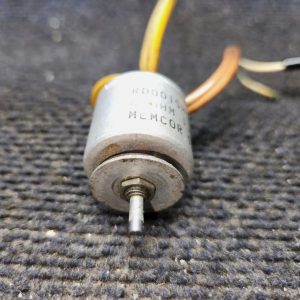
P/N RD0015H1600JBC provides aircraft owners, maintenance organizations, restoration specialists, and aviation parts buyers with an identifiable electrical control component for an appropriately verified Cessna 172F cockpit lighting installation.
Accurate use of Cessna 172F Rheostat, Cessna 172F Lighting Rheostat, and Cessna 172F Panel Light Rheostat terminology improves search relevance without overstating fitment.
The Cessna 172F Cockpit Dimmer, Cessna 172F Instrument Light Control, Cessna Instrument Panel Rheostat, and Cessna Cockpit Lighting Control phrases represent closely related electrical searches.
Accurate component terminology supports relevant SEO while preserving technical clarity and responsible installation planning.
Whether buyers seek Cessna 172F Electrical Parts, a Cessna 172F Dimmer Switch, Cessna Panel Lighting Control, or a Cessna Aircraft Rheostat, every component should be identified individually.
Understanding P/N RD0015H1600JBC
The P/N RD0015H1600JBC designation should be confirmed through markings on the rheostat body, tags, donor-aircraft information, packaging, photographs, and available maintenance records.
The buyer should determine whether the rheostat is original, used, new-old-stock, repaired, refurbished, tested, untested, or removed from an aircraft.
Completing the Panel Lighting Control
The no-knob description means the control knob is not included unless the listing states otherwise, so the buyer should plan for a compatible replacement or reusable original knob.
Improvised drilling, adhesive bonding, force-fitting, or overtightening can damage the shaft and reduce future repair options.
How a Cessna 172F Rheostat Controls Lighting
Some cockpit lighting systems may use additional switches, resistors, transformers, wiring, grounds, or circuit-protection devices.
An intermittent control may cause flickering, dead spots, sudden brightness changes, heat, or inconsistent illumination.
Cessna 172F Electrical Compatibility
Production changes, previous panel modifications, lighting upgrades, replacement wiring, and modern avionics installations can affect the required control.
Qualified maintenance personnel should determine the acceptable installation configuration.
Assessing a Used Cockpit Dimmer
The housing should remain secure and free from separation, impact damage, burned areas, or signs of overheating.
A bent shaft can cause binding, uneven control, knob misalignment, or additional load on the internal mechanism.
Checking Panel Lighting Connections
Electrical terminals should be inspected for corrosion, looseness, bending, damaged insulation, burned surfaces, broken hardware, and previous solder or crimp repairs.
Wiring should be routed away from sharp edges, moving controls, heat sources, and locations where vibration can cause chafing.
Rheostat Resistance and Continuity Testing
The resistance should change in a predictable manner through the control range without abrupt open circuits, severe jumps, or inconsistent contact.
Qualified electrical evaluation supports responsible use of the Aviation Lighting Control Rheostat.
Common Rheostat and Panel Lighting Problems
These symptoms may result from internal rheostat wear, damaged terminals, loose wiring, failed grounds, defective lamps, overloaded circuits, or circuit-protection problems.
A dimming range that differs from the original may indicate an incorrect electrical value or altered lighting load.
Cessna Panel Lighting Restoration
A Cessna 172F Rheostat can provide valuable restoration potential for owners preserving the appearance and function of an original-style cockpit.
Any change from the original system should be documented according to the applicable maintenance project.
Planning a Panel Lighting System Project
The entire lighting circuit should be examined before all required components are ordered.
Used Cessna 172F Electrical Parts should be inspected individually rather than accepted solely because they originated from the same aircraft.
Repairing or Replacing a Cessna Rheostat
Repair should not be selected solely because an original component is difficult to replace.
The repaired component should be tested through its full range before installation.
Rheostat Purchase Considerations
Components with clear donor-aircraft information, current photographs, and transparent test descriptions are easier for professional buyers to evaluate.
The listing should state whether the component is new, used, refurbished, tested, partially tested, untested, or offered for parts.
Evaluating P/N RD0015H1600JBC
A pre-purchase review should confirm P/N RD0015H1600JBC, manufacturer markings, donor-aircraft details, electrical ratings, resistance range, shaft dimensions, terminal layout, physical condition, test status, included hardware, and documentation.
- Determine whether the knob, nut, washer, wiring connector, terminal hardware, test report, records, or release documents are included.
- Inspect the component for corrosion, heat discoloration, burned terminals, cracked insulation, bent shaft, damaged threads, loose housing, rough movement, contamination, and previous repairs.
- Inspect and photograph the rheostat immediately after delivery before cleaning, testing, opening, repairing, wiring, mounting, or modifying it.
Preventing Electrical Component Damage
Loose nuts, washers, terminals, or wiring pieces should be packaged and labeled separately.
The component should not be stored by hanging it from attached wires or unsupported terminals.
Fitting P/N RD0015H1600JBC
Installation should be completed by appropriately qualified aviation maintenance personnel using applicable aircraft electrical information and suitable procedures.
The shaft should rotate freely after mounting and should remain properly aligned with the replacement knob and panel opening.
Abnormal heat, odor, intermittent operation, sudden brightness changes, or circuit-protection activation should receive immediate attention.
Long-Term Rheostat Care
The component should receive attention after electrical faults, smoke, overheating, moisture exposure, panel work, wiring repair, or intermittent lighting behavior.
The panel area should remain free from spilled liquids, conductive debris, harsh cleaners, loose hardware, and unsupported wiring.
Buying a Cessna Cockpit Dimmer
P/N RD0015H1600JBC can become a valuable cockpit electrical component.
The strongest purchasing decision begins with confirming the complete part number, manufacturer, aircraft applicability, circuit function, resistance range, voltage, power rating, terminal arrangement, shaft dimensions, knob requirements, test status, and more info documentation.
Whether the product is described as an Aircraft Panel Light Dimmer, Aviation Lighting Control Rheostat, Cessna 172F Dimmer Switch, or Aircraft Instrument Lighting Control, electrical condition remains essential.
With verified identity, suitable electrical condition, compatible specifications, professional wiring, organized documentation, and routine inspection, the rheostat can provide dependable long-term value.